Welcome in Unideo’s way of re-presenting! A total ideographic way, based upon 45 ideograms, their derivation and combination. Everything can be expressed through this contemporary means of communication including culturally rooted notions, as well as scientific or social ones. Moreover new concepts may emerge at the crossing of two or more ideograms which could be perhaps of some use to address the challenges of our times be they sociopolitical, environmental, digital or other. According to the time and support which could be devoted and allowed to this suggestion, including exhibitions, workshops, debates and the like, who knows which windows could be open on the future of communication…
Eric
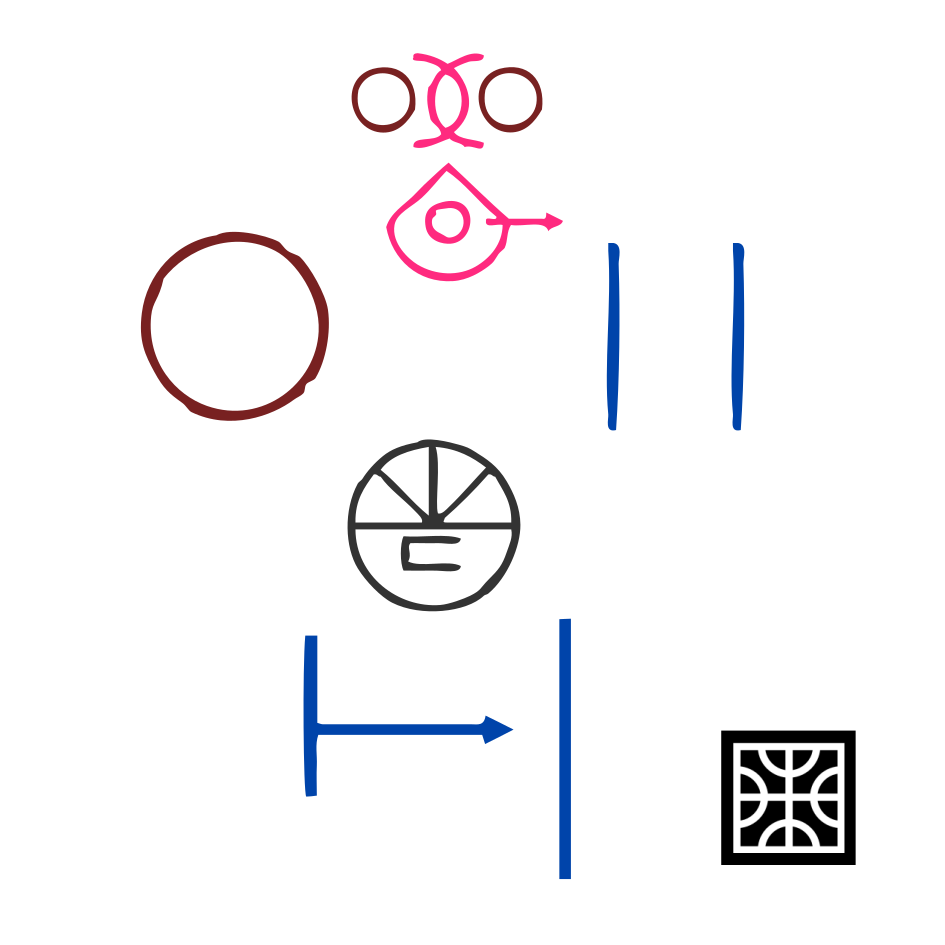
EN: TEDx-22-10-2025-7
WIVIWIC
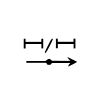
EN: period (2)
FR: période
ZH: 期间 (qíjiān)
JA: ピリオド (piriodo)
IT: periodo
DE: Zeitraum
ES: período
RU: период (period)
EO: periodo

EN: dream
FR: rêver
ZH: 做梦 (zuòmèng)
JA: 夢見る (yumemiru)
IT: sognare
DE: träumen
ES: soñar
RU: сни́ться (snít'sya)
EO: revi
WIVIWIC
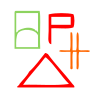
EN: government
FR: gouvernement
ZH: 政府 (zhèngfǔ)
JA: 政府 (seifu)
IT: governo
DE: Regierung
ES: gobierno
RU: прави́тельство (pravítel'stvo)
EO: registaro
WIVIWIC
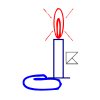
EN: candle
FR: bougie
ZH: 蜡烛 (làzhú)
JA: 蝋燭 (rōsoku)
IT: candela
DE: Kerze
ES: vela,veladora
RU: свеча (svecha)
EO: kandelo
WIVIWIC

EN: child
FR: enfant
ZH: 孩子 (háizi)
JA: 子供 (kodomo)
IT: bambino,bambina
DE: Kind
ES: niño,niña f
RU: ребёнок (rebonok)
EO: infano

EN: male sex
FR: sexe mâle
ZH: 男性 (nánxìng)
JA: 男性 (dansei)
IT: sesso maschile
DE: männliches Geschlecht
ES: sexo masculino
RU: мужской пол (muzhskoy pol)
EO: vira sekso

EN: other (2)
FR: autre (2)
ZH: 其他 (qítā)
JA: その他 (sonota)
IT: altro
DE: andere
ES: otro
RU: другое (drugoye)
EO: aliaj

EN: people
FR: peuple
ZH: 人民 (rénmín)
JA: 人々 (hitobito)
IT: persone
DE: Menschen
ES: gente
RU: лю́ди (lyúdi)
EO: homoj
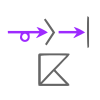
EN: elastic
FR: élastique
ZH: 有弹性的 ()
JA: 嫋か (shinayaka)
IT: elastico,elastica
DE: Elastisch
ES: elástico,elástica
RU: эласти́чный (elastíchnyy)
EO: elasta
WIVIWIC
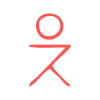
EN: head
FR: tête
ZH: 头 (tóu)
JA: 頭 (atama)
IT: testa
DE: Kopf
ES: cabeza
RU: глава (glava)
EO: kapo

EN: computer (2)
FR: ordinateur (2)
ZH: 电脑 (diànnǎo)
JA: コンピューター (konpyūtā)
IT: informatico
DE: Rechner
ES: computadora
RU: компьютер (komp'yuter)
EO: komputilo

EN: play
FR: jouer
ZH: 玩 (wán)
JA: 遊ぶ (asobu)
IT: giocare
DE: spielen
ES: jugar
RU: игра́ть (igrát')
EO: ludi

EN: victim
FR: victime
ZH: 受害者 (shòuhài zhě)
JA: 被害者 (higaisha)
IT: vittima
DE: Opfer
ES: víctima
RU: жертва (zhertva)
EO: viktimo
WIVIWIC
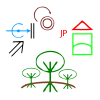
EN: aokigahara
FR: aokigahara
ZH: 青木原 (qīngmù yuán)
JA: 青木ヶ原 (aokigahara)
WIVIWIC
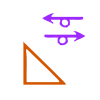
EN: interaction (2)
FR: interaction (2)
ZH: 互动 (hùdòng)
JA: 相互作用 (sōgo sayō)
IT: interazione
DE: Interaktion
ES: interacción
RU: взаимодействие (vzaimodeystviye)
EO: interago (2)
WIVIWIC

EN: flag
FR: drapeau
ZH: 旗帜 (qízhì)
JA: 国旗 (kokki)
IT: bandiera
DE: Flagge
ES: bandera
RU: флаг (flag)
EO: flago

EN: without
FR: sans
ZH: 无 (wú)
JA: 〜のない (... no nai)
IT: senza
DE: ohne
ES: sin
RU: без (bez)
EO: sen

EN: enthusiasm
FR: enthousiasme
ZH: 热情 (rèqíng)
JA: 熱意 (netsui)
IT: entusiasmo
DE: Begeisterung
ES: entusiasmo
RU: энтузиазм (entuziazm)
EO: entuziasmo
WIVIWIC
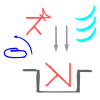
EN: bathe
FR: baigner (se)
ZH: 洗澡 (xǐ zǎo)
JA: 水浴 (suiyokusuru)
IT: fare il bagno
DE: baden
ES: bañarse
RU: купать,искупа́ть (kupat',iskupát')
EO: bani
WIVIWIC
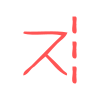
EN: bone
FR: os
ZH: 骨头 (gǔtou)
JA: 骨 (hone)
IT: osso
DE: Knochen
ES: hueso
RU: кость (kost')
EO: osto
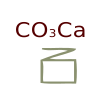
EN: calcium carbonate
FR: carbonate de calcium
ZH: 碳酸钙 (tànsuān gài)
JA: 炭酸カルシウム (tansan karushiumu)
IT: carbonato di calcio
DE: Kalziumkarbonat
ES: carbonato de calcio
RU: карбонат кальция (karbonat kal'tsiya)
EO: kalcia karbonato
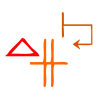
EN: revocable
FR: révocable
WIVIWIC
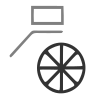
EN: computer science
FR: science informatique
ZH: 计算机科学 (jìsuànjī kēxué)
JA: コンピュータサイエンス (konpyūta saiensu)
IT: informatica
DE: Informatik
ES: Ciencias de la Computación
RU: Информатика (Informatika)
EO: komputiko
WIVIWIC
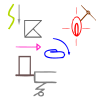
EN: refrigerator
FR: réfrigérateur
ZH: 电冰箱 (diànbīngxiāng)
JA: 冷蔵庫 (reizōko)
IT: frigorifero
DE: Kühlschrank
ES: frigorífico,neveja,refrigerador
RU: холоди́льник (kholodíl'nik)
EO: fridujo
WIVIWIC
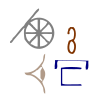
EN: research
FR: recherche
WIVIWIC
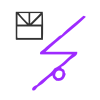
EN: energy (AI)
FR: énergie (IA)
WIVIWIC

EN: transmission
FR: transmission
ZH: 传播 (chuánbò)
JA: 伝染 ; 感染 (densen ; kansen)
IT: trasmissione
DE: Übertragung
ES: transmisión
RU: передача инфекции (peredacha infektsii)
EO: transdono

EN: smile
FR: sourire
ZH: 微笑 ()
JA: 微笑む (hohoemu)
IT: sorridere
DE: lächeln
ES: sonreír
RU: улыба́ться (ulybát'sya)
EO: rideti
WIVIWIC

EN: encyclopaedia
FR: encyclopédie
ZH: 百科全书 (bǎikē quánshū)
JA: 百科事典 (hyakka jiten)
IT: enciclopedia
DE: Enzyklopädie
ES: enciclopedia
RU: энциклопедия (entsiklopediya)
EO: enciklopedio
WIVIWIC

EN: dromedary
FR: dromadaire
ZH: 单峰驼 (dān fēng tuó)
JA: 一瘤駱駝 (hitokoburakuda)
IT: dromedario
DE: Dromedar
ES: dromedario
RU: дромаде́р (dromadér)
EO: kamelo
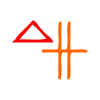
EN: possible
FR: possible
ZH: 可能的 (kěnéng de)
JA: 可能 (kanō)
IT: possibile
DE: möglich
ES: posible
RU: возмо́жный (vozmózhnyy)
EO: ebla
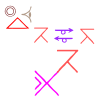
EN: martial art
FR: art martial
ZH: 武术 (wǔshù)
JA: 武道 (budō)
IT: arte marziale
DE: Kampfkunst
ES: Arte marcial
RU: боевое искусство (boyevoye iskusstvo)
EO: batalarto
WIVIWIC
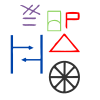
EN: diplomacy
FR: diplomatie
ZH: 外交 (wàijiāo)
JA: 外交 (gaikō)
IT: diplomazia
DE: Diplomatie
ES: diplomacia
RU: дипломатия (diplomatiya)
EO: diplomatio
WIVIWIC
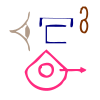
EN: curiosity
FR: curiosité
ZH: 好奇心 (hàoqí xīn)
JA: 好奇心 (kōki shin)
IT: curiosità
DE: Neugier
ES: curiosidad
RU: любопы́тство (lyubopýtstvo)
EO: scivolemo
WIVIWIC

EN: agreement
FR: accord
ZH: 协议,同意 (xiéyì)
JA: 合意 (gōi)
IT: accordo,consenso
DE: Ûbereinstimmung
ES: acuerdo
RU: соглаше́ние (soglashéniye)
EO: bone

EN: drawing
FR: dessin
ZH: 绘画 (huìhuà)
JA: 描く (egaku)
IT: disegno
DE: Zeichnung
ES: dibujo
RU: рисунок (risunok)
EO: dezajno
WIVIWIC
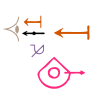
EN: surprise
FR: surprendre
ZH: 惊 (jīng)
JA: 驚く (odoroku)
IT: sorprendere
DE: überraschen
ES: sorprender
RU: удиви́ть (udivít')
EO: surprizo
WIVIWIC
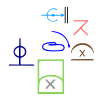
EN: cemetery
FR: cimetière
ZH: 公墓 (gōngmù)
JA: お墓 (o haka)
IT: cimitero
DE: Friedhof
ES: cementerio
RU: кладбище / пого́ст (kladbishche / pogóst)
EO: tombejo
WIVIWIC

EN: teach
FR: enseigner
ZH: 教 (jiào)
JA: 教える (oshieru)
IT: insegnare
DE: lehren
ES: enseñar
RU: учи́ть (uchít')
EO: instrui
WIVIWIC

EN: mosque
FR: mosquée
ZH: 清真寺 (qīngzhēnsì)
JA: モスク (mosuku)
IT: moschea
DE: Moschee
ES: mezquita
RU: мечеть (mechet')
EO: moskeo
WIVIWIC

EN: generative artificial intelligence
FR: intelligence artificielle générative
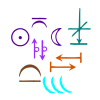
EN: low tide
FR: marée basse
ZH: 低潮 (dīcháo)
JA: 干潮 (kanchō)
IT: bassa marea
DE: Ebbe
ES: marea baja
RU: отлив (otliv)
EO: malalta tajdo
WIVIWIC
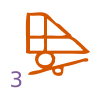
EN: tricycle
FR: tricycle
ZH: 三轮车 (sānlúnchē)
JA: 三輪車 (sanrinsha)
IT: triciclo
DE: Dreirad
ES: triciclo
RU: трехколесный велосипед (trekhkolesnyy velosiped)
EO: triciklo
WIVIWIC
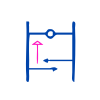
EN: mediation
FR: médiation
ZH: 调解 (tiáojiě)
JA: 調停 (chōtei)
IT: mediazione
DE: Mediation
ES: mediación
RU: посредничество (posrednichestvo)
EO: mediacio
WIVIWIC

EN: front page
FR: page recto
ZH: 首页 (shǒuyè)
JA: 表紙 (hyōshi)
IT: prima pagina
DE: Titelseite
ES: página delantera
RU: титульная страница (titul'naya stranitsa)
EO: frontpaĝo
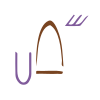
EN: mountain chain
FR: chaîne de montagnes
ZH: 山脉 (shānmài)
JA: 山脈 (sanmyaku)
IT: catena montuosa
DE: Gebirgskette
ES: cordillera
RU: горная цепь (gornaya tsep')
EO: montĉeno
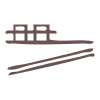
EN: street
FR: rue
ZH: 街道 (jiēdào)
JA: 通り,道 (tōri , dō)
IT: strada
DE: Straße
ES: calle
RU: у́лица (úlitsa)
EO: strato
WIVIWIC
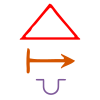
EN: free
FR: libre
ZH: 自由的 (zìyóu de)
JA: 無料 (muryō)
IT: gratuito
DE: frei
ES: gratis
RU: бесплатно (besplatno)
EO: libera
WIVIWIC
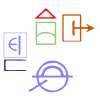
EN: export
FR: exporter
ZH: 出口 (chūkǒu)
JA: 輸出する (yushutsu suru)
IT: esportare
DE: exportieren
ES: exportar
RU: экспорти́ровать (eksportírovat')
EO: eksporti
WIVIWIC

 mind
mind learn
learn human
human love
love communication
 time
time moment
 duration
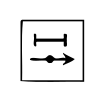 period
 body
body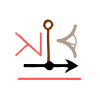 sleep
sleep spirituality
 power
power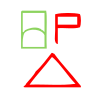 state (2)
 fire
fire light
light hand
hand matter
 family
 sex
sex force
force technics
 computer
 society
 game
game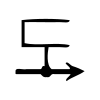 fact
fact luck
luck bad luck
 imply (2)
 person
 life
life death
death kill
kill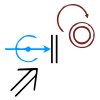 suicide
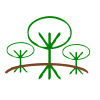 forest
 movement
 for
for country
 nation
 number
 with
with feeling
 measure
 increase
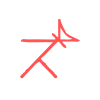 dirt
dirt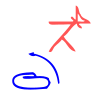 wash
wash water
water stone
stone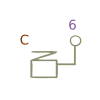 carbon
 go
go return
 science
 edifice
 domestic appliance
 cold
cold food
food science (2)
 look for - search
 artificial intelligence
 laugh
laugh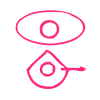 satisfaction
 knowledge
 together
 all
all animal
 vertebrate
 mammal
 do
do can
can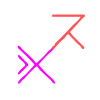 sport
sport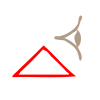 control
 oneself
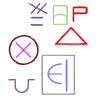 foreigner
 exchange
 different
 attention
 yes
yes art
art painting
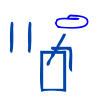 write
write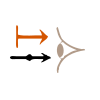 wait
wait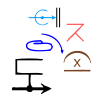 burial
 place
place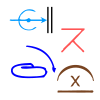 bury
bury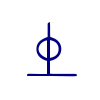 religion
 Islam
Islam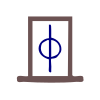 temple
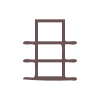 building
 earth
earth relief
 sea
sea moon
moon attraction
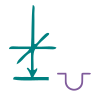 low
low car
car three
three page
page mountain
 way
way city
city freedom
 market
 trade
trade sell
sell good (2)
 out
out